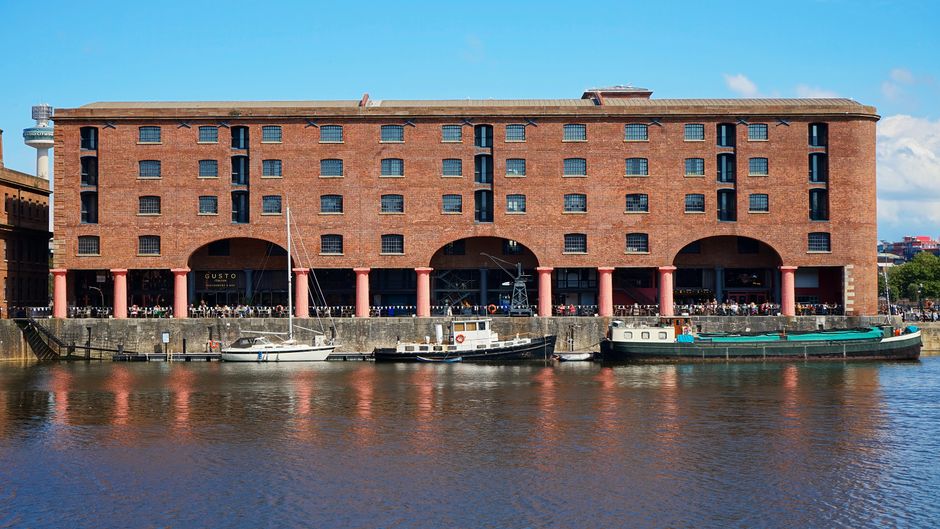
Upholstery cleaning at West India Quay Docklands: a practical local guide for cleaner, healthier furniture
If your sofa has picked up city dust, coffee marks, or that tell-tale everyday wear that sneaks in over time, you are not alone. Upholstery cleaning at West India Quay Docklands is one of those jobs people put off until the stains are obvious or the room just feels a bit tired. Truth be told, fabric furniture takes a beating in flats, offices, and busy homes around Docklands, especially where foot traffic, pets, and occasional food mishaps all meet in one place.
This guide explains what professional upholstery cleaning involves, why it matters in a riverside London setting, how the process works, and what to expect if you are comparing options. It also covers common mistakes, practical preparation, and a few sensible checks before you book. If you want the short version: clean upholstery looks better, smells fresher, and usually lasts longer. Nice little win, that.
Table of Contents
- Why Upholstery cleaning at West India Quay Docklands Matters
- How Upholstery cleaning at West India Quay Docklands Works
- Key Benefits and Practical Advantages
- Who This Is For and When It Makes Sense
- Step-by-Step Guidance
- Expert Tips for Better Results
- Common Mistakes to Avoid
- Tools, Resources and Recommendations
- Law, Compliance, Standards, or Best Practice
- Options, Methods, or Comparison Table
- Case Study or Real-World Example
- Practical Checklist
- Conclusion
- Frequently Asked Questions
Why Upholstery cleaning at West India Quay Docklands Matters
West India Quay sits in a part of Docklands where modern apartments, waterside living, shared buildings, and busy workspaces often mean furniture is used hard and cleaned less often than it should be. Upholstered items absorb more than you think: body oils, dust, pollen, crumbs, drink spills, pet dander, and the fine grime that drifts in through open windows or collects on shoes and clothing.
That matters for three reasons. First, appearance. A sofa with greyed armrests or a dining chair with a faint coffee halo changes how the whole room feels. Second, hygiene. Upholstery can hold onto allergens and odours long after the surface looks "fine". Third, wear and tear. Dirt acts a bit like sandpaper inside fibres, so once it builds up, the fabric can age faster than it needs to. In practice, regular cleaning is less about perfection and more about protecting the things you already own.
In Docklands, there is another subtle factor: lifestyle. People come and go, rentals turn over, and furnishings have to look presentable quickly. A fresh armchair or cleaned sofa can make a flat feel ready for guests, tenants, or a new season of life. Simple, but effective.
How Upholstery cleaning at West India Quay Docklands Works
Professional upholstery cleaning is not just "spray and scrub". The process should be matched to the fabric type, the condition of the item, and the stain or odour issue involved. A decent cleaner will start with inspection, because velvet, wool blends, synthetic fibres, and leather alternatives all behave differently. Get the method wrong, and you can leave rings, flatten the pile, or worsen colour loss. Nobody wants that.
A typical visit often includes dry soil removal, pre-treatment of marks, careful agitation if needed, and then a controlled cleaning stage. Depending on the fabric, this may involve hot water extraction, low-moisture cleaning, foam cleaning, or a specialised solvent-safe process. The furniture is then left to dry with airflow and sensible ventilation. You should expect the technician to explain drying time in plain English rather than hiding behind jargon.
For most households, the main goal is to remove embedded dirt without overwetting the fabric or padding. That is especially important in flats, where ventilation can be limited and oversized furniture may take longer to dry. If a room feels a little stuffy in the morning and the sofa still holds last night's curry smell by evening, the cleaning method matters more than people realise.
One important note: stain removal is usually probability-based, not magical. Fresh marks often respond well. Older set-in stains, dye transfer, and bleach damage may improve but not vanish completely. A trustworthy provider will say so upfront.
Key Benefits and Practical Advantages
Clean upholstery gives you more than a nice-looking lounge. Done well, it improves the comfort and usability of the whole space. And yes, it can make the home feel a bit more "put together" without replacing anything.
- Better indoor freshness: cleaning lifts odours trapped in fabric, especially from food, pets, and smoke residue.
- Improved appearance: colours look richer, fabric texture looks more even, and high-touch areas feel less grubby.
- Reduced allergen build-up: regular care can help remove dust and fine debris that settle deep in fibres.
- Longer furniture life: dirt removal reduces abrasion and helps upholstery age more gracefully.
- Better impression for visitors or tenants: useful if you are preparing for a move, an inspection, or guests.
- More comfortable use: a cleaned sofa or chair simply feels better to sit on. Funny how that works.
There is also a practical side that people often miss. If you are comparing a replacement versus cleaning, a professional clean can sometimes buy you a meaningful extra year or two of good-looking use. Not always, but often enough to make it worth thinking about seriously.
Who This Is For and When It Makes Sense
This service suits more people than you might expect. It is not just for luxury furniture or "when the sofa is embarrassing". In West India Quay Docklands, it can be sensible for:
- households with young children, pets, or frequent visitors
- rented flats where the furniture needs to look tidy and neutral
- professionals who work from home and use seating all day
- landlords and letting agents preparing for new occupancy
- offices or reception areas using fabric chairs and soft seating
- anyone noticing odours, dullness, or patchy staining
It also makes sense after a spill, not months later. The longer a liquid sits, the more likely it is to wick into the backing or padding. If you have ever dabbed a stain, stepped back, and thought "that'll do for now", well, most of us have. But furniture tends to remember these things.
Another good time is seasonal refresh. Spring and early autumn are popular because windows are easier to open and drying tends to be more comfortable. In winter, you can still clean upholstery, but airflow and drying setup matter more.
Step-by-Step Guidance
If you want to understand the process before booking, here is the practical version. It helps you know what good service looks like and where shortcuts tend to happen.
- Identify the fabric and condition. Check care labels if available. Some fabrics tolerate moisture better than others, and some need very gentle treatment.
- Vacuum thoroughly. Loose dirt and grit should be removed before any wet cleaning starts. Skipping this step is one of the classic mistakes.
- Test a discreet area. A small patch test helps spot colour bleed, water marks, or texture changes.
- Pre-treat obvious marks. Coffee, wine, grease, and food stains may need different spotting agents.
- Choose the right cleaning method. Low-moisture or extraction cleaning may suit different furniture types.
- Clean in controlled passes. Even coverage matters. Rushing is where rings and overwetting usually appear.
- Extract residue properly. Leftover detergent can attract dirt later, which defeats the point.
- Dry with airflow. Open windows if practical and keep the area ventilated.
- Brush or reset the pile where needed. Some fabrics look best when the fibres are lifted gently after drying.
- Review the result. A good cleaner should walk you through what improved, what remained, and any care advice for the next 24 hours.
That may sound basic, but the difference between a quick wipe-down and a proper upholstery clean is huge. One is tidy. The other is restorative.
Expert Tips for Better Results
Here are the little things that make a real difference, and honestly, they are the things people tend to overlook.
- Vacuum before the appointment. It saves time and helps the cleaner go straight to the grime embedded in the fabric.
- Point out problem spots early. Tell the technician about food spills, pet accidents, ink, fake tan, makeup, or smoke odour. Context helps.
- Keep the room accessible. Move lamps, side tables, and loose clutter if you can. It helps the process stay tidy and quicker.
- Ask about fabric compatibility. A dry-clean-only fabric should not be treated like a robust polyester sofa.
- Let the item dry fully before heavy use. Sitting on it too early can flatten damp fibres or pull dirt back to the surface.
- Use protectors carefully. Fabric protectors can help, but only if applied correctly and suited to the material.
A small human tip from experience: if you live in a higher-rise Docklands flat, drying can feel slower on a grey, closed-up day. Give the room a bit of breathing space. Open a window if it is safe and practical, and nudge the airflow along. It helps more than people expect.
Also, if a cleaner says a mark may lighten rather than disappear, that is usually a good sign. It means they are being honest, not pessimistic.
Common Mistakes to Avoid
Upholstery is easy to damage when people are overconfident. The fabric can look forgiving and then turn troublesome in seconds. A few common issues keep coming up.
- Using too much water: this can leave damp backing, tide marks, or long drying times.
- Scrubbing aggressively: harsh rubbing can distort the weave and spread stains.
- Applying random household products: cleaners made for kitchens or bathrooms are often too strong for fabric.
- Ignoring care labels: those little codes matter, even if they look unimportant.
- Trying to remove old stains without testing: some stains react badly to heat or certain chemicals.
- Forgetting the drying stage: wet upholstery that is left trapped in a closed room can develop a stale smell.
Let's face it, most cleaning mistakes happen because people are in a hurry. A small spill becomes a bigger one, or someone wants to "sort it out quickly" before guests arrive. Quick is good. Rushed is not.
Tools, Resources and Recommendations
You do not need a van full of kit to keep upholstery in decent shape, but having the right tools helps a lot. For everyday upkeep, a few sensible basics are enough.
- Vacuum cleaner with upholstery attachment: ideal for weekly dust and crumb removal.
- Soft brush: useful for lifting dust from fabric seams and textured weaves.
- Microfibre cloths: handy for gentle blotting, not scrubbing.
- Plain white towels: helpful when absorbing a fresh spill without colour transfer.
- Fan or good airflow: useful after cleaning to speed drying.
- Fabric care notes: keep labels or purchase information where possible; they save guesswork later.
For homeowners and landlords who want a broader clean around the property, it can also make sense to combine upholstery care with deep cleaning, especially if the room needs more than one surface refreshed. In some cases, pairing sofa work with sofa cleaning or rug cleaning creates a much more complete result than tackling one item at a time.
If you are comparing providers, check practical details too: pricing and quotes, insurance and safety, and the business's approach to health and safety policy. Those pages may not sound exciting, but they tell you a lot about how seriously a company takes its work.
Law, Compliance, Standards, or Best Practice
For upholstery cleaning, the main issue is not a single regulation so much as doing the job safely, carefully, and in line with accepted UK best practice. That includes sensible handling of cleaning chemicals, avoiding slip hazards from wet floors, and being honest about what a fabric can and cannot tolerate.
In a residential setting, customers should expect clear communication around access, drying time, and any residual odour or sensitivity concerns. In shared buildings or managed properties, it is also sensible to respect building rules about noise, lift use, and parking. Nothing dramatic, just good manners and proper planning.
For businesses, the expectations are even more straightforward: minimise disruption, work safely, and avoid creating hazards for staff or visitors. If upholstery cleaning is part of a larger property refresh, you might also consider complementary services such as office cleaning or office cleaners for shared workspaces, or domestic cleaning for regular home upkeep.
Best practice also means transparency. A reliable provider should explain if an item is not suitable for wet cleaning, if a stain is permanent, or if there is a risk of colour change. That honesty protects both sides.
Options, Methods, or Comparison Table
Different upholstery cleaning methods suit different situations. There is no one-size-fits-all answer, and that is where a lot of people get tripped up.
| Method | Best for | Advantages | Watch-outs |
|---|---|---|---|
| Hot water extraction | Robust fabric sofas and chairs with general soiling | Deep soil removal, strong freshness result | Can over-wet delicate fabrics if used carelessly |
| Low-moisture cleaning | Flats with limited drying space, lighter maintenance cleans | Faster drying, less disruption | May be less effective on heavily embedded grime |
| Foam or encapsulation-style treatment | Spot-prone or lightly soiled upholstery | Quick turnaround, tidy finish | Not always ideal for deep contamination |
| Dry or solvent-based care | Delicate or moisture-sensitive fabrics | Useful where water is risky | Needs specialist judgment and careful ventilation |
The right method depends on the item, not the marketing language. If a cleaner recommends a gentler process for a delicate chair, that is a feature, not a drawback.
Case Study or Real-World Example
Here is a realistic kind of scenario that comes up often in West India Quay Docklands. A couple in a modern flat had a pale fabric sofa that looked fine from a distance, but up close it had darkened armrests, a faint food smell, and a couple of small drink marks. They had guests coming that weekend and wanted the room to feel fresh rather than "we've just moved in and are still sorting life out".
The cleaner inspected the fabric, tested a hidden area, and used a low-moisture method because the room had limited airflow and the sofa was not in terrible condition. The arm areas improved noticeably, the odour dropped, and the overall fabric tone looked more even. The couple did not end up with a brand-new sofa, of course. That would be a fairy tale. But the room felt lighter, cleaner, and much more welcoming.
What mattered most was not one miracle stain removal. It was the combination of proper prep, realistic expectations, and careful drying. Small details. Big difference.
Practical Checklist
Use this quick checklist before your upholstery clean. It keeps the job smooth and helps avoid the annoying little hiccups that waste time.
- Identify the furniture items that need cleaning.
- Check any visible care labels or previous cleaning notes.
- Vacuum loose dust, crumbs, and pet hair.
- Move small objects away from the work area.
- Point out all visible stains and problem areas.
- Ask what method is likely to be used.
- Confirm expected drying time.
- Make sure the room will have reasonable ventilation.
- Keep children and pets away while the upholstery dries.
- Review care advice before the technician leaves.
Expert summary: if the fabric is delicate, the stain is old, or the room is hard to ventilate, the smartest cleaning choice is usually the one that protects the furniture first and chases perfection second. That sounds boring, but it works.
If you are planning a larger refresh, you might also look at one-off cleaning or carpet cleaning so the whole room feels consistent, not just one item.
Conclusion
Upholstery cleaning at West India Quay Docklands is not just about making a sofa look nicer for an afternoon. It is a practical way to protect fabric, reduce odours, and keep your home or workspace feeling cared for. In a busy Docklands setting, where rooms work hard and space is often at a premium, that matters more than people think.
The key is choosing the right method, being honest about fabric type and stain history, and allowing enough time for proper drying. Do that, and you usually get a noticeably fresher result without drama. No magic tricks, just good process.
If you are comparing services, start with the basics: experience, safe methods, clear communication, and a sensible quote. It really can be that straightforward.
Get a free quote today and see how much you can save.
And if you are still weighing it up, that is fine too. A well-cared-for room has a quiet kind of comfort to it, and once you notice it, you rarely go back.
Frequently Asked Questions
How often should upholstery be professionally cleaned?
For most homes, every 12 to 24 months is a sensible range, though high-use sofas, homes with pets, or light-coloured fabrics may benefit from more frequent cleaning. If the furniture starts to look dull, smell stale, or pick up visible marks, that is usually your cue.
Is upholstery cleaning safe for delicate fabrics?
It can be, but only if the cleaner checks the fabric type first and uses the right method. Delicate items often need lower moisture, a gentler detergent choice, or a fully dry-clean-style approach. Care labels and a small test patch matter here.
How long does upholstery take to dry?
Drying time depends on the fabric, room airflow, and cleaning method. Some items are ready in a few hours; others take longer. In a flat with limited ventilation, it is wise to allow extra time rather than using the furniture too soon.
Can professional cleaning remove old stains?
Sometimes it can improve them significantly, but not every stain is removable. Older marks, dye transfer, and heat-set stains are more difficult. A good cleaner should explain the likely outcome before starting, not after the fact.
Will upholstery cleaning remove odours?
It often helps a lot, especially for food, pet, or general musty smells trapped in the fabric. If an odour has soaked into the padding or backing, improvement may be partial rather than complete, but even that can make a big difference to the room.
Is steam cleaning the same as upholstery cleaning?
Not exactly. Steam cleaning is often used as a loose term, but proper upholstery care may involve hot water extraction, low-moisture treatment, foam, or solvent-based cleaning depending on the fabric. The best method is the one matched to the furniture, not the buzzword.
Should I vacuum before the cleaner arrives?
Yes, if you can. Vacuuming removes loose grit and makes the cleaning more effective. It also helps the technician focus on deeper soil and problem stains instead of wasting time on surface debris.
Can I sit on the sofa straight after cleaning?
It is better to wait until the item is fully dry. Sitting on damp fabric can flatten fibres, slow drying, or pull residual dirt back to the surface. A little patience goes a long way.
How do I choose the right upholstery cleaning service?
Look for clear explanations, fabric-specific knowledge, sensible safety practices, and transparent pricing. It also helps if the company offers related services like cleaning company support, about us information, and clear policies such as terms and conditions and privacy policy.
Is upholstery cleaning worth it for rental properties?
Usually, yes. It can help present the property better for inspections, new tenants, or end-of-tenancy handovers. It may also be more cost-effective than replacing upholstered items that still have plenty of life left.
What should I do if a stain reappears after cleaning?
This can happen when moisture brings hidden residue back to the surface as the item dries. It is worth telling the cleaner quickly, because a follow-up treatment may help. Reappearing stains are frustrating, but they are not unusual.
Can upholstery cleaning be combined with other home cleaning jobs?
Absolutely. Many people pair it with house cleaning, home cleaners, or even window cleaning so the whole property feels refreshed at once. That tends to be the most satisfying option, if you ask me.
What if my furniture is badly damaged already?
If the fabric is torn, badly faded, or permanently stained, cleaning may still improve the appearance, but it will not reverse structural wear. In those cases, a cleaner can usually advise whether treatment is worthwhile or whether replacement is the more sensible route.
For questions about bookings, coverage, or payment handling, you can also review payment and security, complaints procedure, and contact us. If you care about sustainability, the company's recycling and sustainability approach may also be worth a look.